
Moroccan direct investment in sub-Saharan Africa reached about 5 billion dirhams in 2024, equivalent to nearly $500 million. The amount represents flows during one specific year: it is neither a new funding package announced in September 2026 nor a figure limited to West Africa.
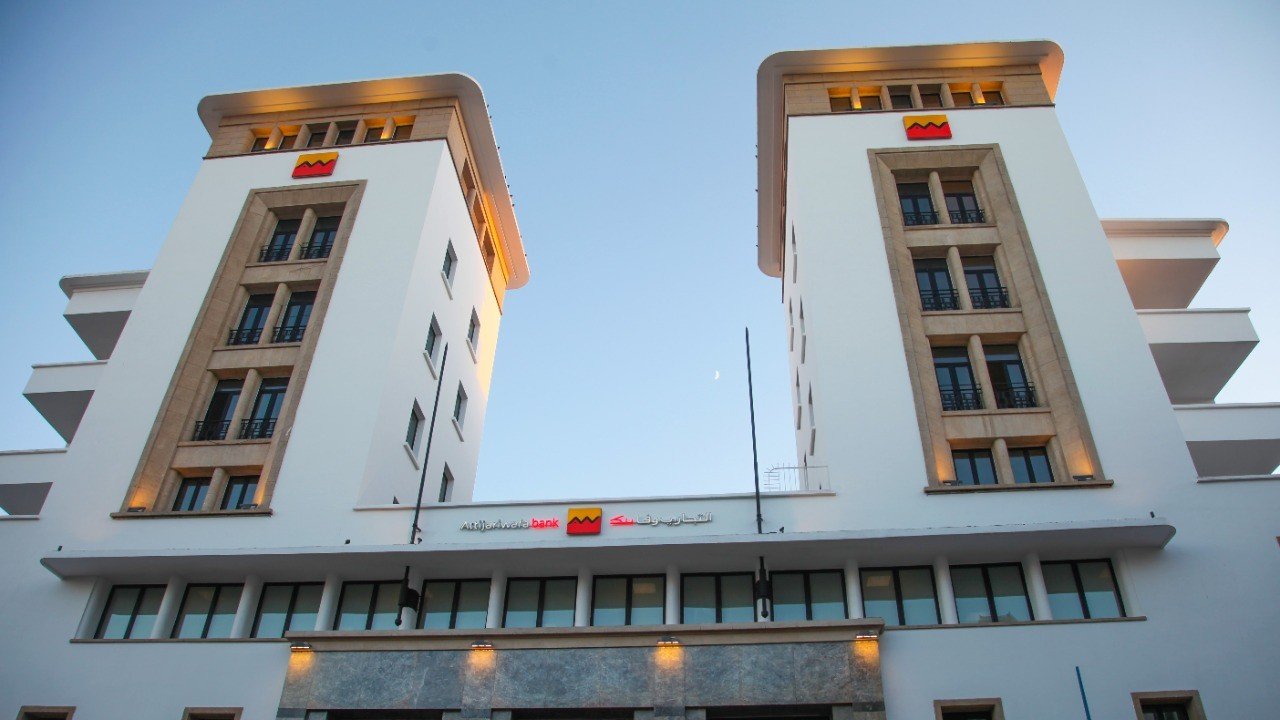
The total illustrates the continent’s place in the Kingdom’s external economic strategy. Moroccan companies’ presence there is built partly on banking and telecommunications networks, two sectors that support trade and the activities of local businesses.
Expansion driven by banks and telecommunications
Foreign Minister Nasser Bourita said Moroccan banks operated in 27 African countries, while telecommunications operators were present in about ten countries. These footprints distinguish the groups’ long-term presence from the amount invested in a single year.
The number of countries covered does not mean each market receives the same volume of capital. Nor does it reveal the profitability of the investments or their precise effect on employment. Those questions require country- and company-specific data.
Do not confuse past investment with future projects
The Nigeria–Morocco gas pipeline is among the projects highlighted in the Kingdom’s economic cooperation with its African partners. Port infrastructure, including Tanger Med, also plays a role in its strategy to connect with international trade.
However, these projects should not automatically be added to the 5 billion dirham total for 2024. A project announcement, an investment actually made and the accumulated stock of capital are different indicators.
A figure whose scope matters
The geographic distinction also matters. Sub-Saharan Africa comprises several regions and is not limited to West African countries. Presenting the entire amount as an investment in West Africa would therefore change the scope of the available figure.
The 2024 data provide a benchmark for Morocco’s commitments. On their own, they are not enough to establish a global ranking of investors or declare a record for 2026.
Beyond the amount, the next task is to track which projects are actually completed, how they are financed and what impact they have. Distinguishing intentions from completed investments is essential to measuring the depth of economic partnerships across the continent.