

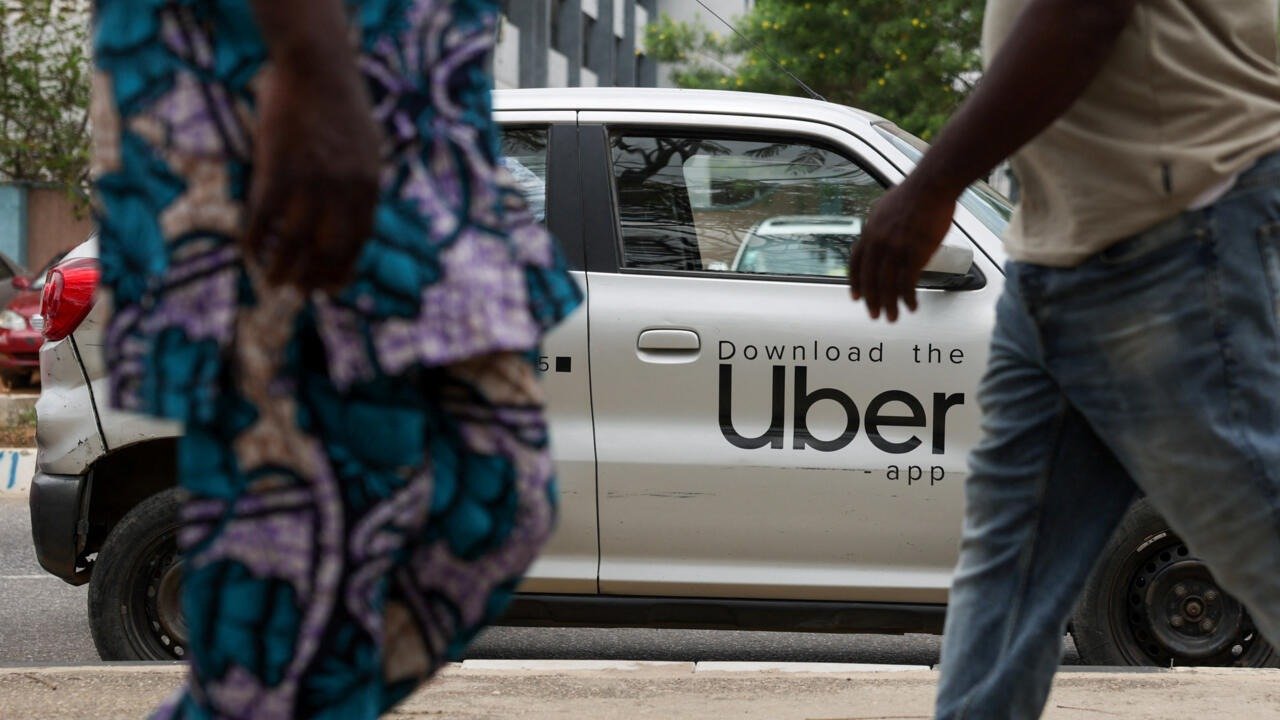
Uber has ended its operations in Nigeria and Uganda with immediate effect. Announced on Wednesday, September 2, the withdrawal closes a 12-year chapter in Nigeria, where the platform began operating in 2014.
Uber entered Uganda in 2016, meaning it did not operate for the same length of time in both markets. The immediate consequence is nevertheless the same for users and partner drivers: they can no longer rely on the service for rides in either country.
A decision following a business review
The company said it decided to leave after an in-depth review of its operations and priorities. It stressed that the decision applies to these two markets and does not mean it is ending all operations across Africa.
The withdrawal comes amid a global restructuring. In Nigeria, Uber faced increasingly strong competition, particularly from Bolt and inDrive. Local operators have also entered the market with services tailored to urban travel.
Competition is only part of the picture. For several years, Nigerian drivers have complained about commission fees, ride fares and rising expenses, particularly fuel costs. The price paid by a customer is not the same as a driver’s disposable income after expenses.
A change for drivers and passengers
For drivers who used Uber, the closure removes one channel for connecting with customers. It does not mean that all of them will stop working, as some also use other apps. However, the departure forces each driver to reconsider how they operate and where their rides will come from.
For passengers, the question is which alternatives are available and how much they cost. Several platforms already operate in Kampala, including SafeBoda and Bolt. Major Nigerian cities also have other app-based ride-booking services.
Their presence does not guarantee conditions identical to Uber’s. Prices, geographic coverage, waiting times and payment methods may differ. The exit of a major operator changes the options available to users, but it does not by itself signal an automatic rise or fall in prices.
Support service temporarily retained
Uber said its help centre would remain available to affected users in Nigeria and Uganda until September 23 to handle outstanding questions. This temporary continuation of support does not mean rides will resume.
The company says it remains committed to sub-Saharan Africa. Nevertheless, its departure from the two countries follows other recent exits, including Côte d’Ivoire and Tanzania. The company that helped popularise smartphone ride booking is reducing its presence in some African markets as competitors seek to maintain or expand their positions.